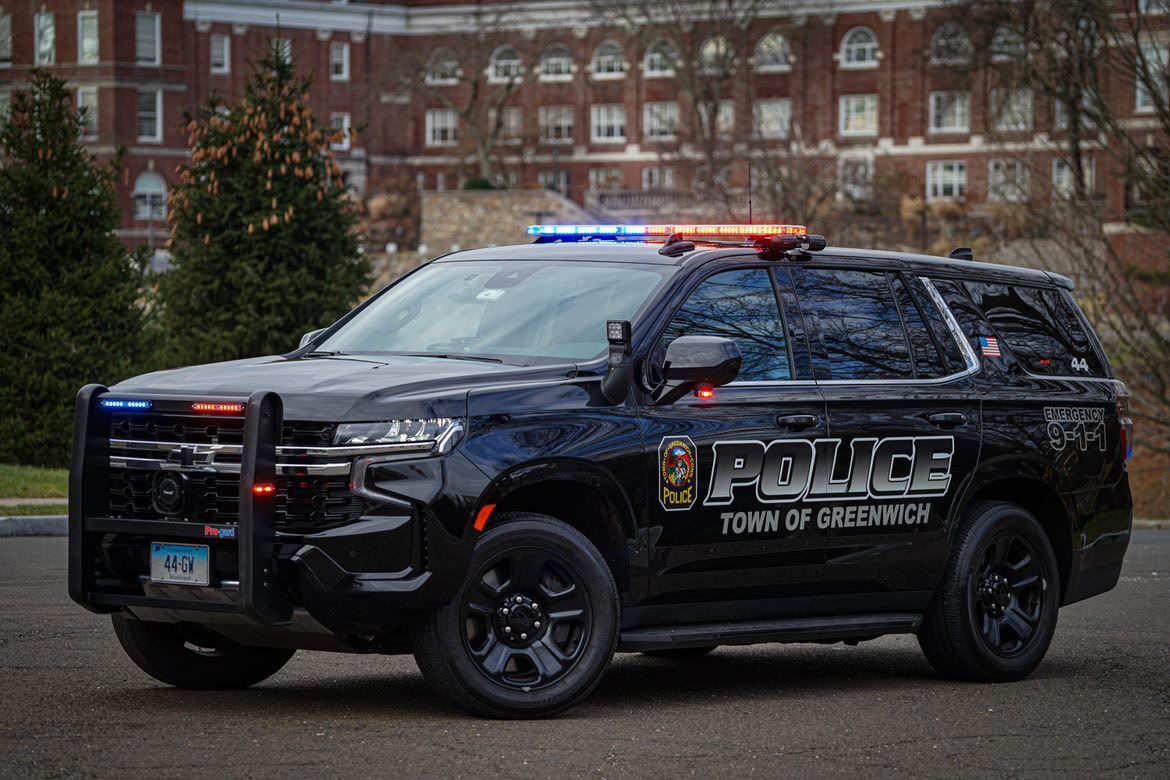
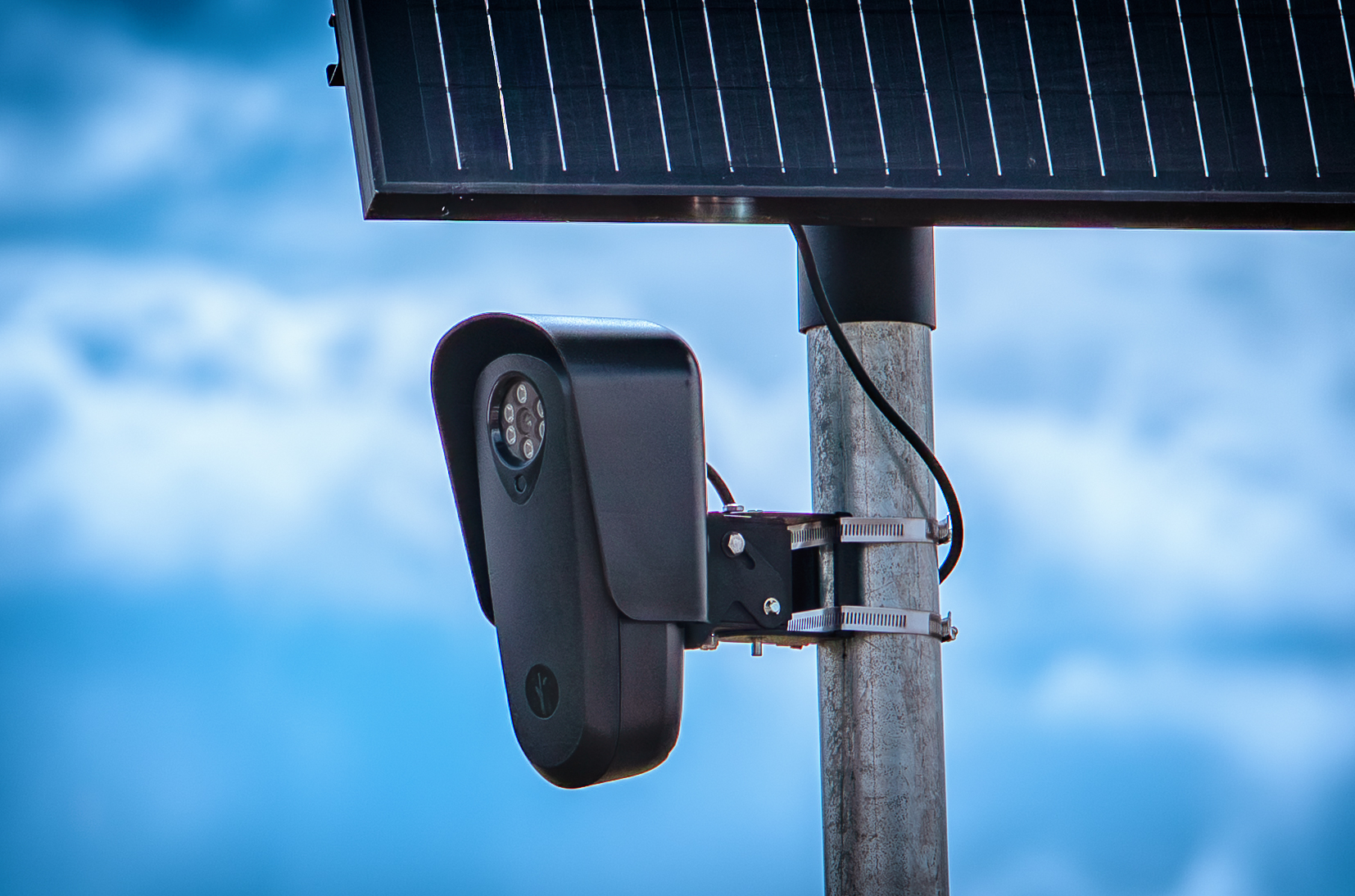
Greenwich police posted six deployment locations for its fixed license plate readers on the town website Wednesday, Sept. 30. It was the first time the department disclosed where the cameras operate, according to Greenwich Time.
The move went beyond what Connecticut's new license plate reader law requires. The law, which took effect Oct. 1, mandates that police departments release camera locations only through Freedom of Information Act requests. Greenwich chose to post them voluntarily.
Other Connecticut departments chose to keep their reader locations secret, Greenwich Time reported.
The six locations are:
- East Putnam Avenue and Mason Street
- Interstate 95 exit 4 and Indian Field Road
- I-95 exit 5 and East Putnam Avenue
- Field Point Road and Brookside Drive
- Railroad Avenue and Arch Street
- West Putnam Avenue and Field Point Road
Greenwich operates 13 fixed readers total, all manufactured by Rekor, along with 27 vehicle-mounted units built into Axon in-car camera systems, according to a Sept. 29 statement from Police Chief James Heavey. The department operates 13 fixed readers, while the town's webpage identifies six deployment locations and does not explain how the readers are distributed among those sites.
Heavey, who also serves as president of the Connecticut Police Chiefs Association, said in that statement that the cameras perform limited functions and are not monitored live by officers. They generate alerts only when a plate matches an entry on approved law-enforcement hotlists.
"Legally, this technology stands on solid ground," Heavey said, as quoted by Greenwich Time. "Merely observing a vehicle on the road, in person or by camera, is not a Fourth Amendment search."
Data captured by the readers is stored solely by the Greenwich Police Department and is not shared with any federal agency, according to Heavey's statement. The new law, Public Act 26-14, as amended by Public Act 26-76, limits retention to 21 days unless the data is tied to an active criminal investigation.
The law also bars police from using plate reader data for immigration, reproductive care or gender-affirming healthcare investigations. Departments cannot search the data to identify someone engaged in a First Amendment-protected activity such as attending a protest. Under the data-sharing provisions, Connecticut agencies may share plate data only with agencies in Massachusetts, New York and Rhode Island that agree to Connecticut's usage policies. Police in other states need a judicial warrant.
A town spokesman declined to comment on why Greenwich chose to post the locations publicly, and Heavey was not immediately available for comment, Greenwich Time reported.
Heavey has previously cited cases in which the readers helped locate missing dementia patients and assisted in apprehending a person who allegedly attempted to assault a Greenwich middle schooler. Departments statewide must now follow a model policy from the state's police council and file annual reports on how they use the technology.