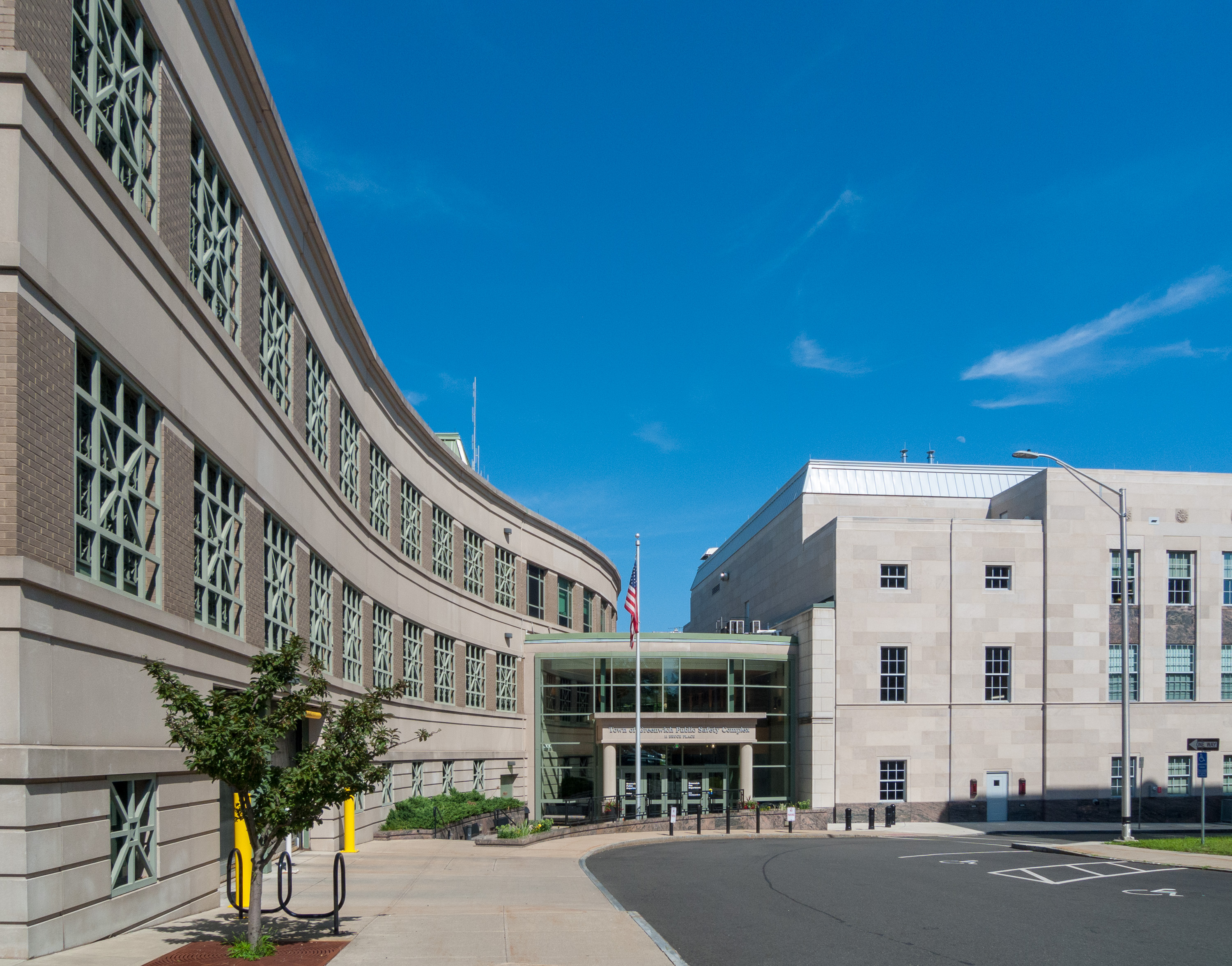
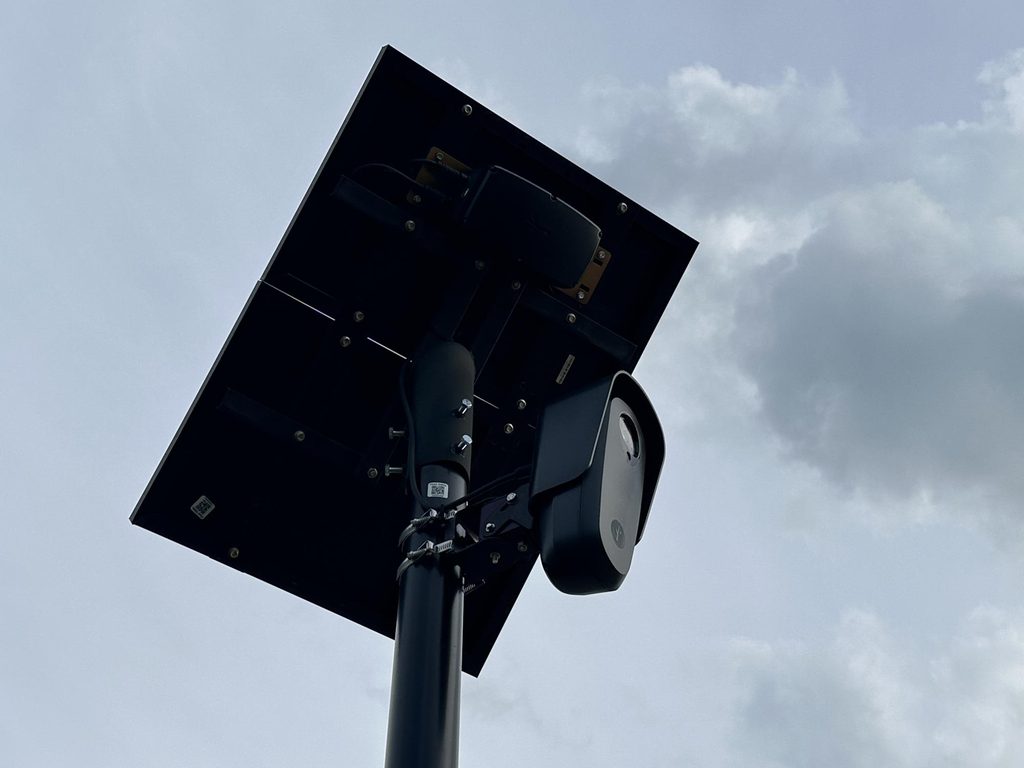
Greenwich Police Chief James Heavey disclosed that the department operates a combined 40 license plate reader cameras across town and disputed what he called "misinformation" linking the system to the Flock Safety network.
In a letter to the community published Wednesday, Aug. 26, on Greenwich Free Press, Heavey stated the Greenwich Police Department runs 27 vehicle-mounted LPRs built into the Axon in-car camera system that Connecticut law requires in police vehicles, plus 13 fixed-location cameras manufactured by Rekor. None are Flock equipment.
Heavey wrote that the data GPD's cameras capture is stored and controlled solely by the department, never by a third party, and is not shared with any federal agency.
Heavey's letter represents the department's own account; no independent privacy advocate or resident critic has responded to it directly as of publication.
The letter arrives amid a statewide debate over automated plate readers. Gov. Ned Lamont on Aug. 8 urged all Connecticut municipalities to pause new camera installations until the Police Officers Standards and Training Council finalizes privacy guidance. First Selectman Fred Camillo told residents in his Aug. 17 newsletter that Flock cameras have not been installed on Greenwich's public roads.
The letter also outlines the legal framework GPD says governs its system. Connecticut Public Act 26-24, as amended by Public Act 26-26, limits data retention to 21 days unless the data is tied to an active criminal investigation. The Connecticut Trust Act separately bars any use of LPR data to investigate suspected immigration violations.
GPD may share plate data only with agencies in Connecticut, New York, Massachusetts or Rhode Island that agree to follow Connecticut's restrictions, according to Heavey. An officer who violates the law faces criminal charges and permanent decertification by the Police Officers Standards and Training Council.
Officers do not monitor the cameras live, Heavey wrote. The system runs automatically and generates an alert only when a scanned plate matches a "hotlist" of stolen vehicles, AMBER Alerts, or wanted and missing persons.
Heavey cited three local outcomes: locating missing dementia patients, helping apprehend a predator who allegedly attempted to assault a Greenwich middle-school student, and assisting in solving robberies. He did not provide dates or case numbers for those incidents.
Nationally, LPR misuse remains a concern. CNN reported Wednesday, Aug. 26, that a Kentucky police officer was arrested after allegedly using the Flock system to track his ex-girlfriend more than 2,000 times. The Institute for Justice has tracked at least 47 instances of officers disciplined for alleged Flock abuse, according to that report.
Heavey acknowledged those cases but argued they prove the audit safeguards work. He cited the 1983 U.S. Supreme Court ruling in United States v. Knotts, which held that a person traveling on public roads has no reasonable expectation of privacy in their movements.
No public meeting or next step on the LPR issue has been announced. Residents with questions can contact the Greenwich Police Department at 203-622-8004.