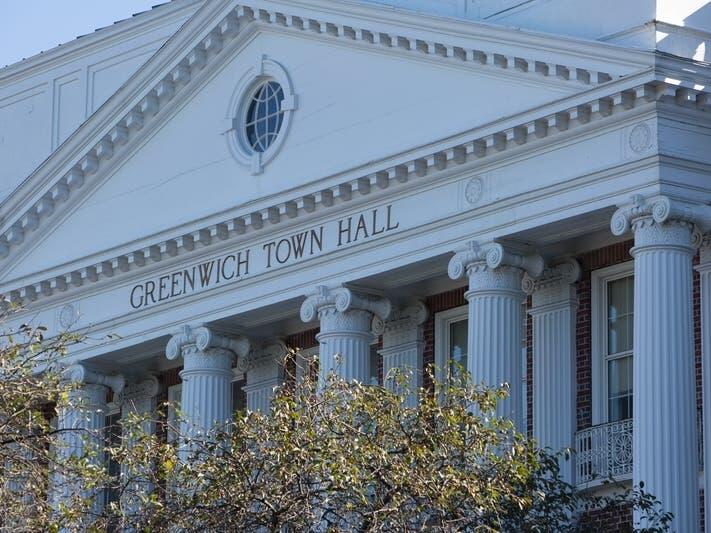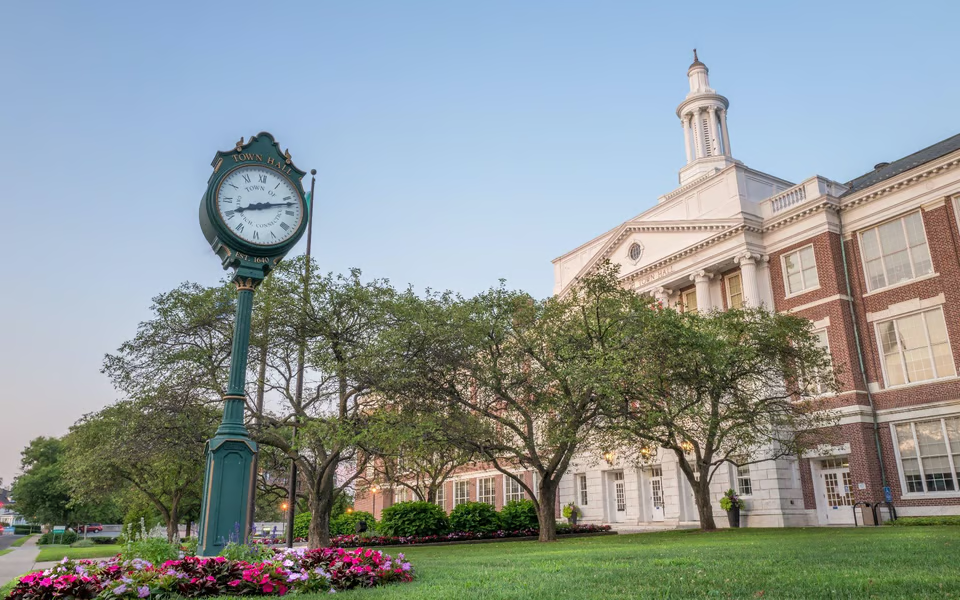
Greenwich's first eelgrass pilot site off Great Captains Island will get its initial evaluation in spring 2027. The planting is part of a five-year restoration effort that has recorded a 178% growth increase at another Long Island Sound test site.
Save the Sound, the nonprofit leading the initiative, reported Friday, Oct. 30 that researchers observed the 178% increase in eelgrass growth between fall 2024 and spring 2026 at Duck Island in Westbrook. The growth reflected both the expansion of existing plants and the emergence of new ones, according to Bill Lucey, Save the Sound's Soundkeeper.
That matters here because Greenwich now has its own pilot site. In September, the Greenwich Shellfish Commission partnered with Save the Sound's Western Long Island Soundkeeper to host a volunteer gluing event that drew high school conservation groups and community members.
Diana Klinger, a longtime Riverside resident, was among the volunteers who worked through rain to glue 25,000 eelgrass seeds to 2,200 clams bound for the Great Captains Island site.
"I am so excited about this, it's a new concept that makes sense and it's so simple I wish we had thought about it sooner," Klinger said, according to Save the Sound.
Joan Seguin, chairman of the Greenwich Shellfish Commission, said the effort tapped broad enthusiasm. "Everybody wants to do their part in restoring the eelgrass meadows and everyone loves giving nature a little help so they can to bring it back to what it originally was," Seguin said.
How it works
The program uses a technique called the SEAS Method, or Seeds of Eelgrass Attached to Shellfish. SCUBA-collected seeds from the eastern Sound are glued to live clams. The clams then bury into the sea floor, planting the seeds while filtering the water around them. Rob Vasiluth of Save Environmental developed the approach.
A new twist in 2026: wet rice paper, the kind used for spring rolls, as an alternative to glue for attaching seeds. Maria Rosa, a biologist at Connecticut College, introduced the method. It achieved 30% germination in lab tests.
"There was better germination with the rice paper in the lab …" Lucey said. "The glue works but now we're just looking at a way that's maybe even more beneficial, a little more organic and easier for the volunteers to deal with besides the glue."
Broader picture
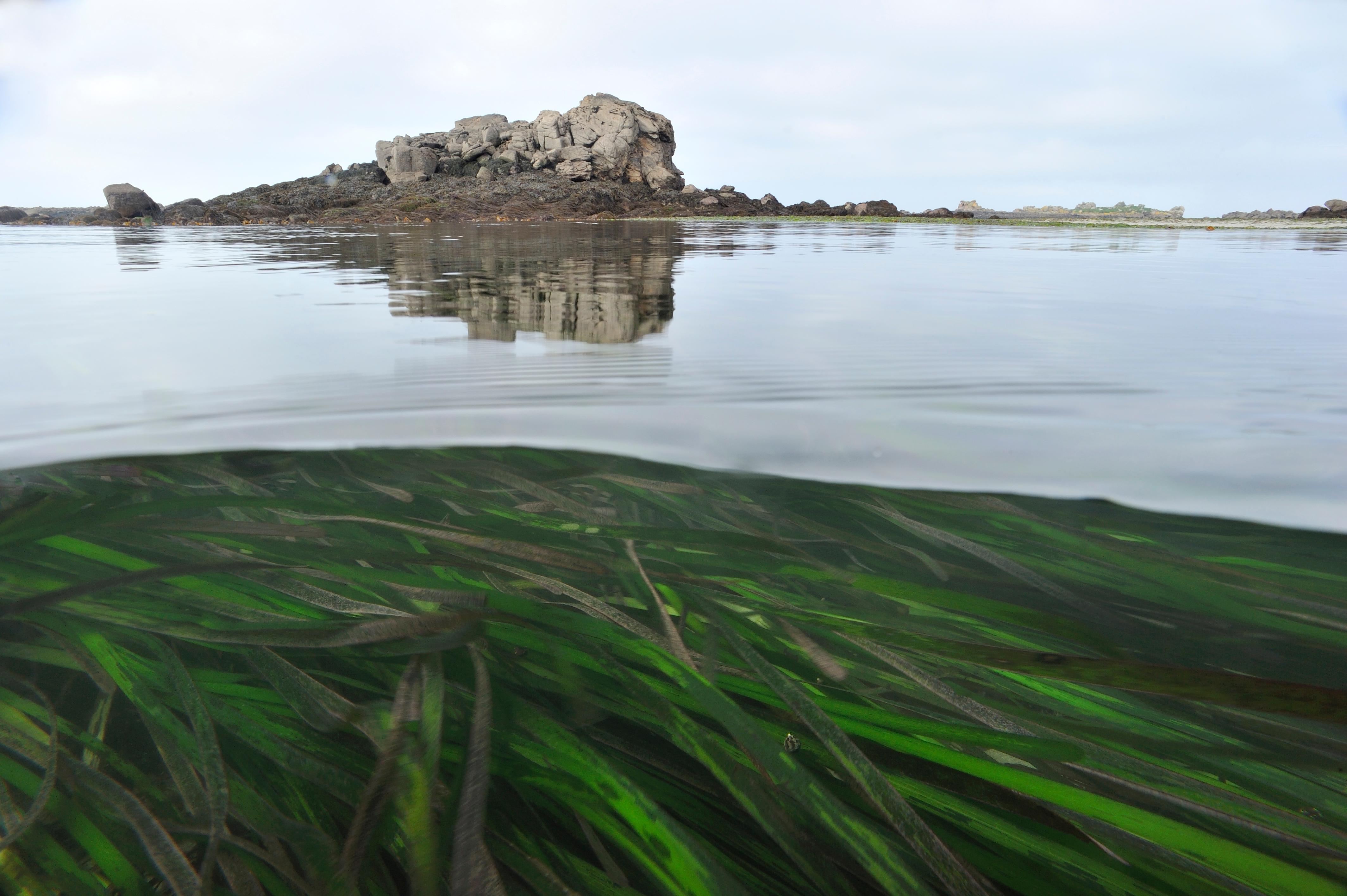
Eelgrass once lined the bays and coves of Long Island Sound, providing habitat for marine life, absorbing carbon dioxide and filtering water. Poor water quality, a historic disease die-off and stormwater runoff from coastal development have driven a 90% decline, according to Save the Sound.
The Duck Island site, where the team has been planting for multiple seasons, is where the 178% growth was measured. In 2025, the team deployed about 300,000 seeds with roughly 40,000 clams at four experimental plots there. The goal is a meadow that reseeds itself without further human help.
"Hopefully we get to a point where in three years it's established and reseeding itself, so it doesn't need any more augmentation," Lucey said.
The Greenwich pilot site off Great Captains Island will be evaluated in spring and summer 2027.