Connecticut's cyclosporiasis case count jumped to 40 as of Wednesday, July 15, up from 35 two days earlier, the Connecticut Department of Public Health confirmed.
The five new cases bring the state's 2026 total to more than double the 19 infections recorded over the same period last year. Connecticut's first case this year was reported May 2.
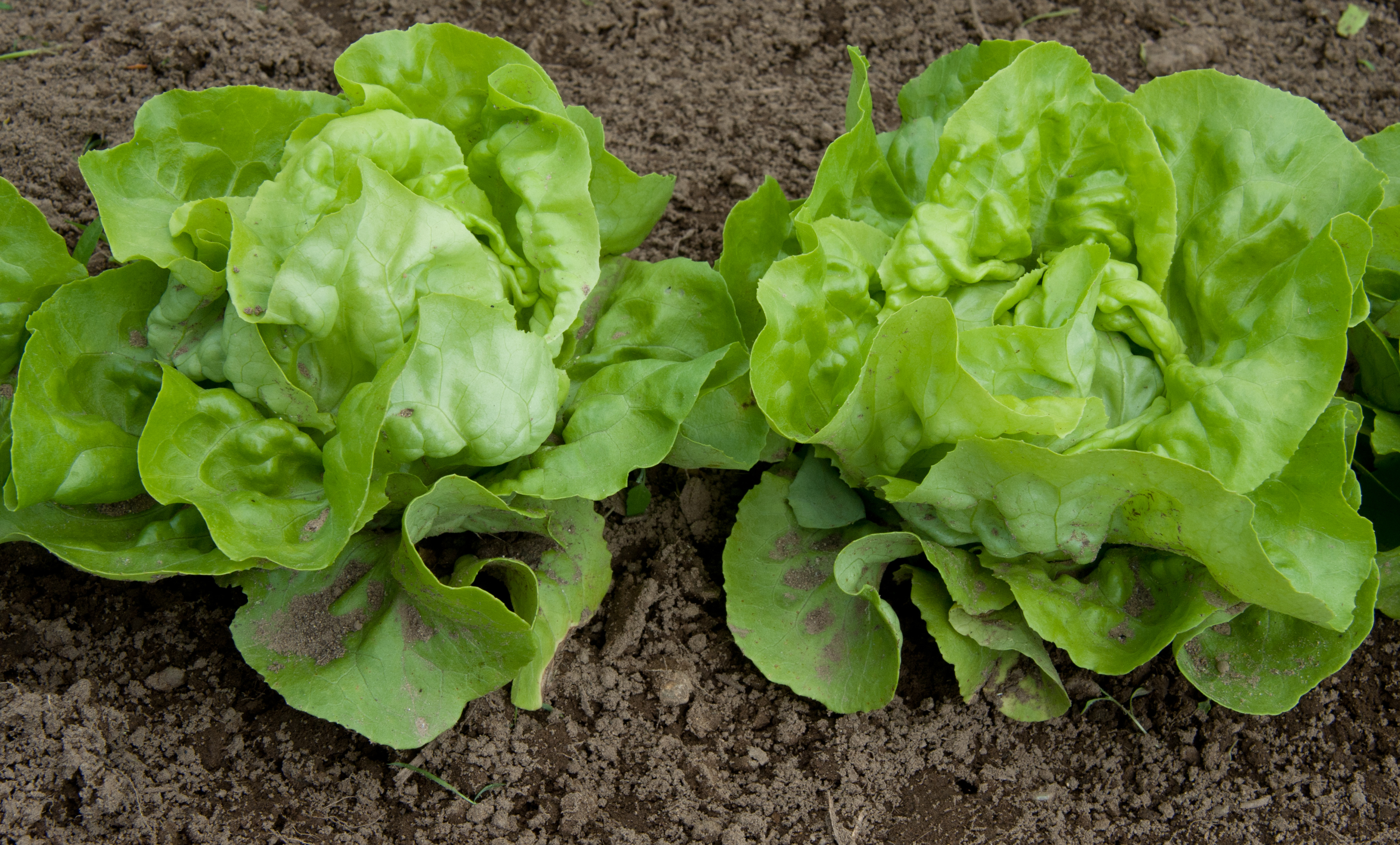
No specific food source has been identified in Connecticut. But Michigan health officials announced Monday, July 13, that lettuce or salad greens emerged as a potential source of that state's outbreak after investigators completed more than 1,000 interviews with infected people.
"Early information has shown lettuce as a common product that regularly comes up during the investigation," Dr. Natasha Bagdasarian, Michigan's chief medical executive, said in a July 13 press release. No specific variety, grower, or supplier has been named, and other foods have not been ruled out.
Michigan alone has reported 2,640 confirmed and probable cases. Nationally, the CDC had confirmed 1,645 laboratory-confirmed domestically acquired infections across 34 states as of July 13, with 141 hospitalizations and zero deaths. The agency said it was analyzing more than 5,100 additional cases.
What Connecticut DPH recommends
The department issued food safety guidance aimed at reducing risk during peak produce season:
- Wash all fresh produce under clean running water before eating, even if you plan to peel it.
- Buy whole heads of lettuce rather than pre-washed, bagged salad mixes. Remove and discard the outer two to three layers of leaves.
- Wash cilantro, basil, and green onions thoroughly, separating leaves.
- Cook produce when possible. Heating food to 158°F (70°C) or higher kills Cyclospora.
Michigan officials added that "pre-washed" labeling does not guarantee safety and that rewashing bagged lettuce is unlikely to remove the parasite because Cyclospora resists routine chemical disinfection.
Symptoms and testing
Cyclosporiasis is caused by the microscopic parasite Cyclospora cayetanensis, which spreads through contaminated food or water. It does not spread person to person.
Symptoms typically begin about a week after exposure and include watery diarrhea, stomach cramps, bloating, nausea, and fatigue. Without treatment, the illness can last a month or longer, disappear, and return.
Standard stool tests may not detect Cyclospora. Residents experiencing frequent watery diarrhea should contact a health care provider and specifically request testing for the parasite. The CDC identifies trimethoprim-sulfamethoxazole as the preferred antibiotic treatment.
Where things stand
The CDC reports cases across 34 states, and Connecticut DPH said it is continuing to investigate the origin of local infections. Of the state's 35 cases confirmed as of July 13, the most recent date for which a breakdown was available, 22 originated domestically and five were linked to international travel; eight remained under investigation.
Residents can monitor the latest case counts and guidance at portal.ct.gov/dph.