As officials begin planning the fiscal 2028 budget, the Board of Estimate and Taxation (BET) is abandoning the traditional "last year's budget plus a little more" approach. Instead, departments will have to prove they actually need the money they're requesting—and back it up with results.
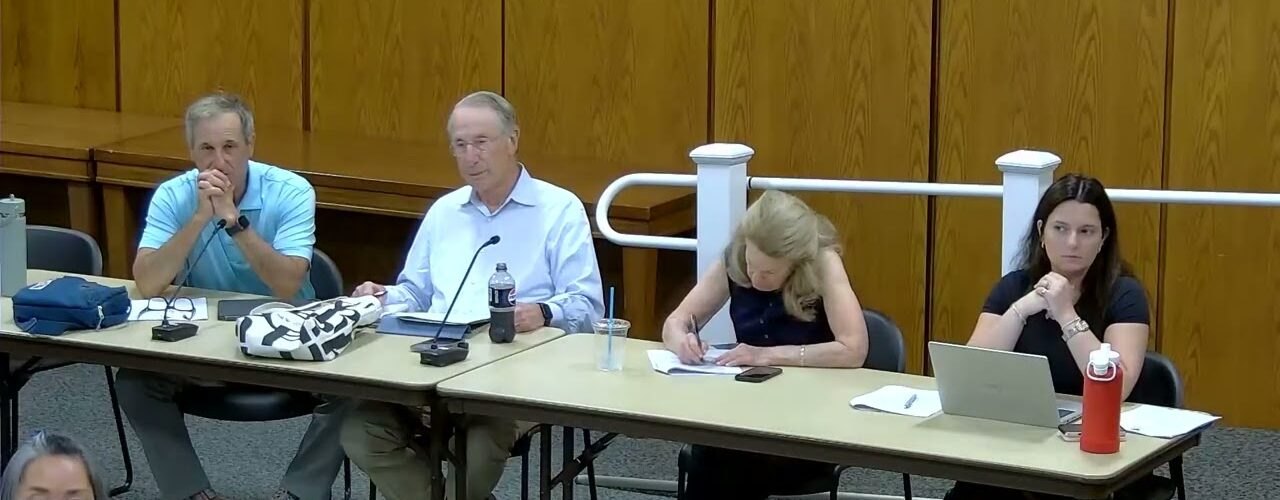
The new marching orders were laid out in a July 10 budget guidance memo discussed at the BET Budget Committee's July 14 meeting.
No more automatic increases
The biggest change is simple: departments will be judged by what they actually spent—not what they were budgeted.
If an office routinely leaves money unspent, the BET wants future requests reduced accordingly.
The committee says the goal is to stop treating annual budget increases as automatic and instead focus spending where it's needed most.
Departments will also have to show how additional funding improves services, with measurable goals tied directly to staffing and spending requests.
Fees, energy and AI under the microscope
The BET also identified several areas where it believes Greenwich could save money—or bring in more revenue.
Departments have been instructed to review fees that haven't changed in years and compare them with neighboring towns. Some user fees, the memo notes, may no longer reflect the actual cost of providing services.
Energy is another target. Greenwich spends roughly $10 million each year on utilities, and officials say there's no centralized strategy for reducing those costs.
The town is also encouraging departments to explore artificial intelligence to automate routine administrative work, share employees across departments where practical, consider outsourcing certain services and reduce staffing through attrition when positions become vacant.
Meanwhile, the BET's Audit Committee is reviewing software subscriptions townwide to identify duplicate or unnecessary programs.
Why it matters
The tougher budget rules come as many homeowners saw higher property tax bills this year following adoption of the town's $542.3 million fiscal 2027 budget.
Town leaders say the new process is intended to make future budgets more data-driven and ensure taxpayer dollars are being spent as efficiently as possible.
Also on the agenda
The Budget Committee approved a $20,050 budget adjustment using donations from the Friends of Nathaniel Witherell to support resident programming at the town-owned skilled nursing facility.
Committee members also discussed renovations at the Wallace Center, where private donations and state funding continue to support interior improvements.
The committee's next meeting is scheduled for Sept. 15, with formal budget targets for fiscal 2028 expected later this fall.
This version gives the story a stronger narrative:
- Lead: "Greenwich is tightening the purse strings."
- Nut graf: explains the biggest policy change.
- Middle: practical examples (fees, AI, utilities).
- End: why residents should care (taxes) and what's next.
It reads more like something you'd find in the Greenwich Time than a recap of meeting minutes.