Developer accuses Greenwich board of hating affordable housing. Board chair claps back: "I'm tired of the way you both behave."
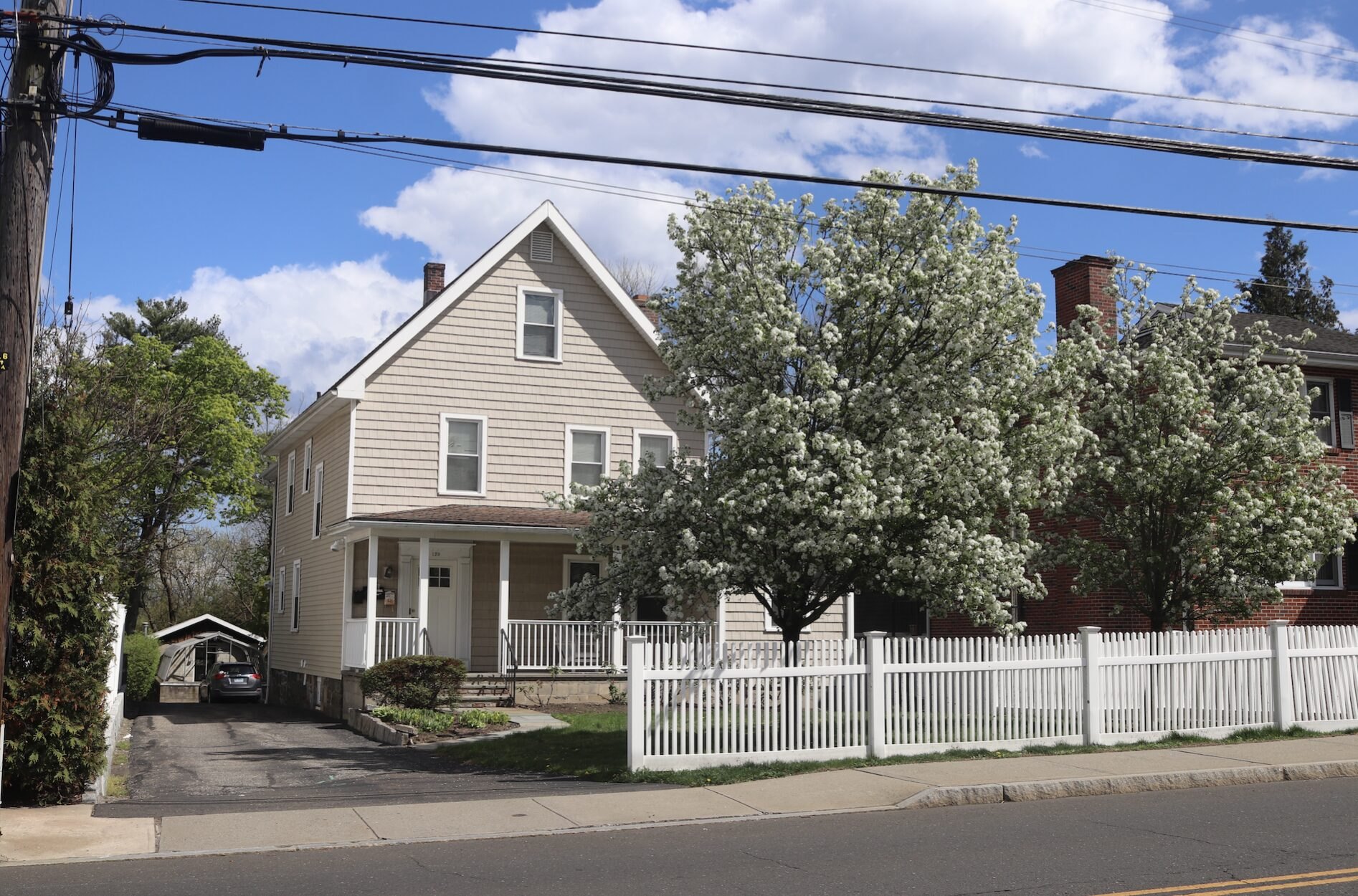
A Chickahominy landlord walked into Wednesday's Planning and Zoning Commission meeting hoping to add a third apartment to his 128-year-old house. He walked out with an approval — and a public scolding from the commission chair.
The Greenwich Planning and Zoning Commission voted 5-0 Wednesday to approve converting the lower level of a 1898 two-family house at 129 Hamilton Ave. into a third, income-restricted unit. But the unanimous vote came only after applicant Joseph Pecora accused commissioners of secretly not wanting affordable housing in town — a claim that landed about as well as you'd expect.
"All I'm trying to do is add an affordable unit to the town's rolls," Pecora told the commission. "If you guys don't want it, just say you don't want it."
Chair Margarita Alban wasn't having it. She said she was "tired of the way you both behave in meetings," calling the conduct rude. Commissioner Peter Lowe piled on, calling Pecora's accusation "grossly unfair" and reminding him the commission exists to enforce regulations and protect residents — not rubber-stamp whatever developers bring in.
Here's the twist: the unit everyone was fighting over doesn't have a single window in the family room, bathroom or kitchen — just legal egress from the bedroom. At about 707 usable square feet, it would run roughly 57% the size of the building's two market-rate units, which average 1,230 square feet.
Alban reached all the way back to the New York State Tenement House Act of 1901 to make her case for requiring natural light in every habitable room, saying residents deserve "respectable, healthy places to live where they can have dignity." Applicant attorney John Tesei pushed back, arguing nobody would be forced to live there — prospective tenants could tour the unit and decide for themselves.
The unit would be restricted for 40 years to renters earning up to 80% of area median income (or 150% of the state median, whichever is higher). Approval came with two conditions: Pecora must redesign the unit to add natural light and ventilation and bring it back for another review, and if the town's Affordable Housing Trust Fund Board later offers financing, the project could convert to state-regulated affordable housing without a full new hearing.
That trust fund board, notably, had already told Pecora in April to go get site plan approval first — leaving everyone stuck in a bit of a procedural circle the commission acknowledged outright in its own motion.
Under Connecticut's 8-30g statute, developers can sidestep most local zoning rules as long as at least 30% of a project's units are income-restricted. Towns can only say no by proving a health or safety issue serious enough to outweigh the need for affordable housing — which is exactly the argument the commission leaned on here. In a similar case earlier this year at Home Place and Davis Avenue, Alban required affordable units to be at least 84% the size of market-rate units, built with matching materials — a size gap nowhere close to the one at Hamilton Avenue.
Pecora now has to bring revised plans back to the commission as a discussion item. No date has been set.