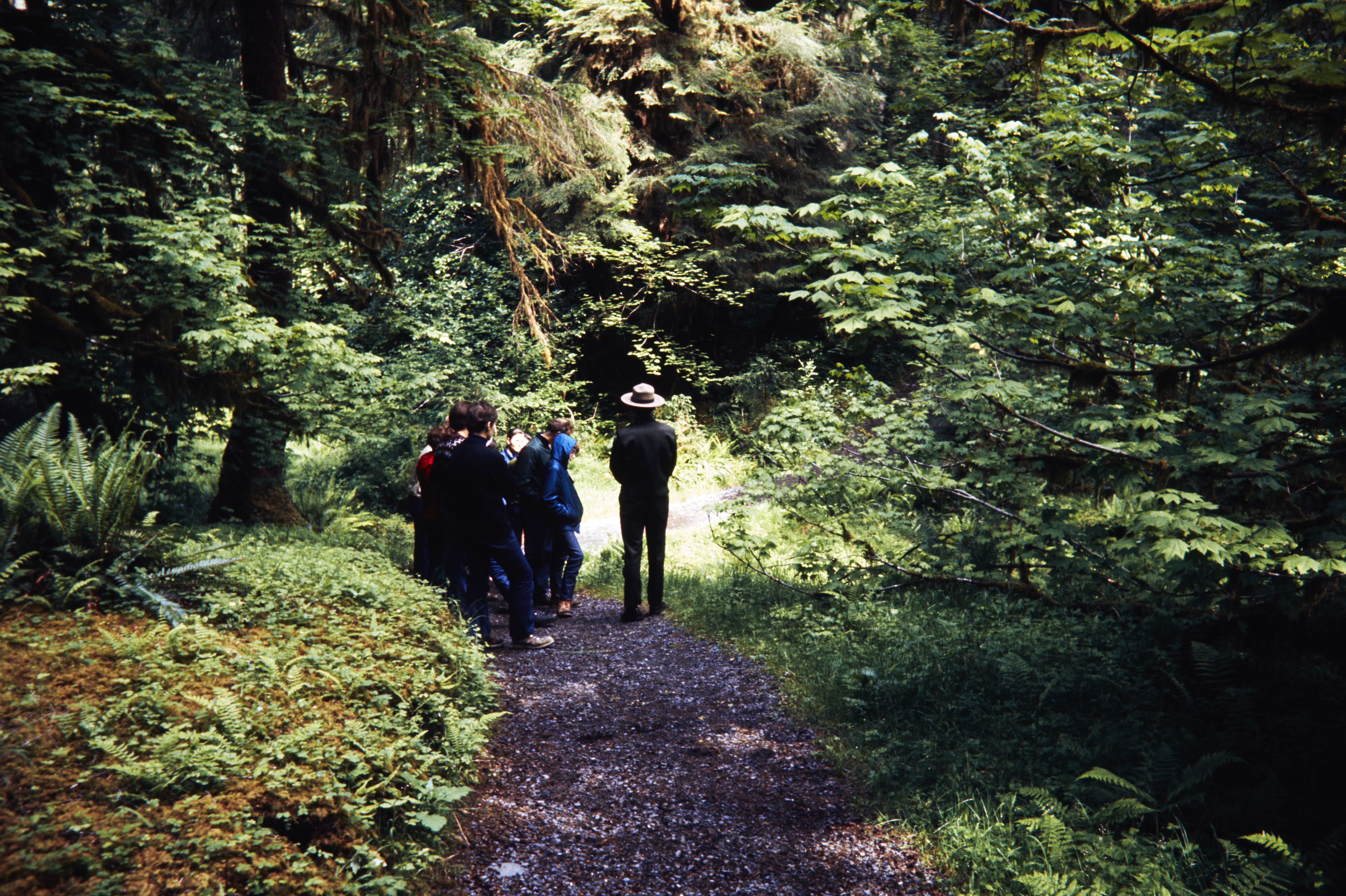
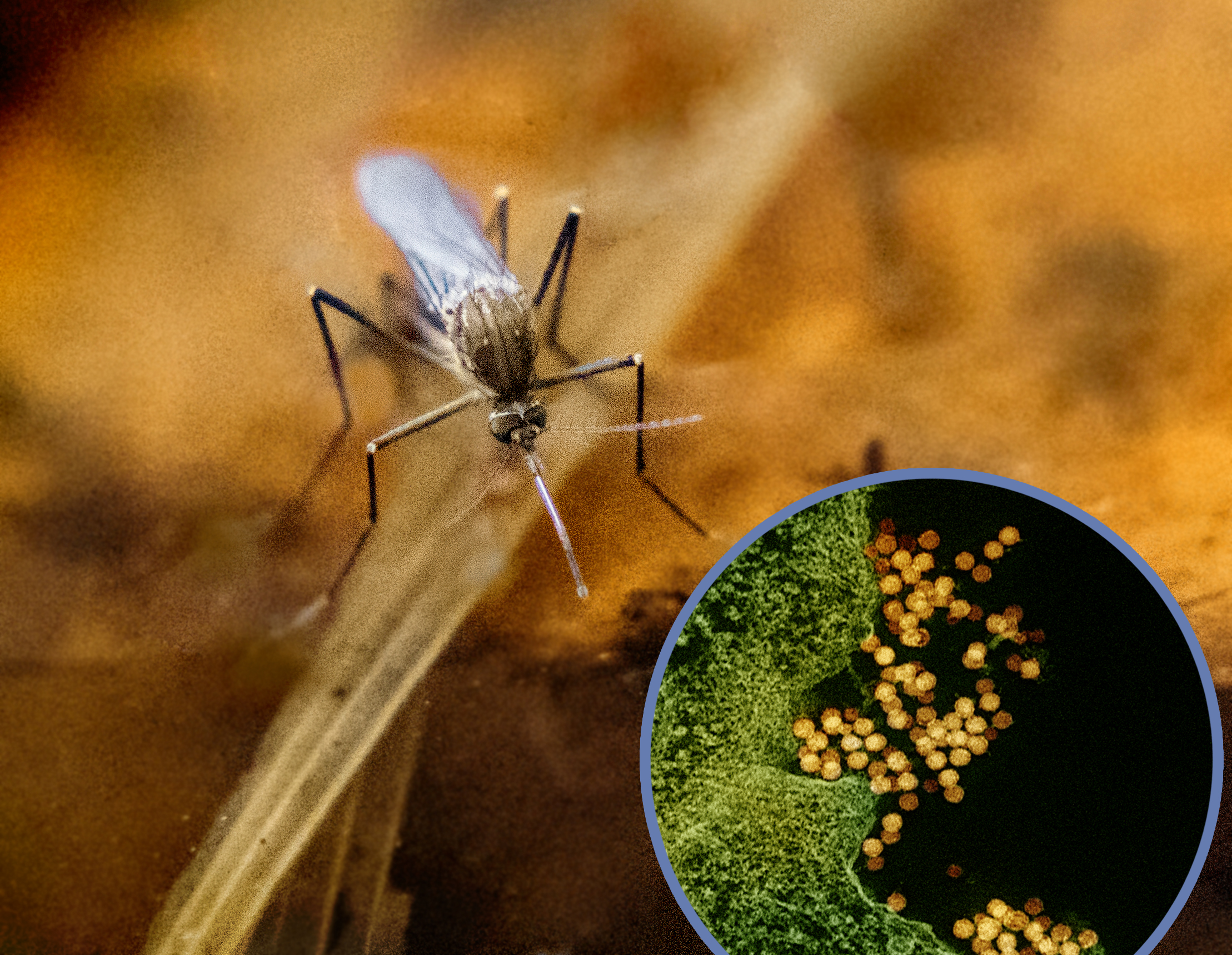
Mosquitoes trapped at Mianus River Park in Old Greenwich have tested positive for West Nile Virus, marking the first detection in Greenwich this year and prompting health officials to urge residents to protect themselves heading into peak exposure season.
The Connecticut Agricultural Experiment Station confirmed the finding after testing mosquitoes collected at the park, which sits on the Stamford line. The species identified, Culex pipiens, breeds in standing water found in artificial containers like discarded tires, birdbaths, and catch basins.
Greenwich is one of 11 Connecticut towns where WNV-positive mosquito pools have been confirmed so far this summer, according to a public health alert issued by the town on Wednesday, July 29. No human cases have been reported in Connecticut in 2026. Last year six residents were hospitalized statewide, including one death in Fairfield County.
"Although the town's larvicide program treats catch basins, the general public must be vigilant in eliminating standing water on their own properties and protecting themselves from biting mosquitoes at all times," said Michael Long, the town's Director of Environmental Services. He noted that August and September carry the highest risk of exposure.
Director of Health Caroline Calderone Baisley said recent warm weather and periodic rain have increased mosquitoes' ability to breed. The town's larviciding program, which began in June, treats public and private roadway catch basins, school grounds, and other town-owned property every four to six weeks. But Baisley stressed that larviciding reduces the mosquito population without eliminating it.
What residents should do
Health officials recommend these steps:
- Avoid outdoor activity at dawn and dusk, when mosquitoes are most active.
- Wear long sleeves and pants outdoors.
- Use repellent with no more than 10% DEET for children and no more than 30% for adults. Do not apply DEET-based repellents to infants or small children.
- Eliminate standing water: empty old tires and containers, rake out puddles, drain ditches and gutters, change birdbath water daily, chlorinate backyard pools, and keep grass and shrubbery trimmed.
Residents with ponds or stagnant water that don't support fish or frogs can treat them with the biological agent BTI (Bacillus thuringiensis israelensis) but should contact the Department of Health or Conservation Commission first.
Most people bitten by an infected mosquito experience mild or no symptoms. About one in five develop West Nile fever. The elderly and those with compromised immune systems face the greatest risk of serious illness, including encephalitis and meningitis.
The state's mosquito management program will continue trapping and testing at three Greenwich sites through October. Residents can reach the Division of Environmental Services at (203) 987-1001 or the Conservation Commission at (203) 622-6461.