Thousands of Greenwich drivers who paid school-zone speed camera tickets could get their money back under a class-action lawsuit filed in Stamford Superior Court.
Greenwich resident Stephen Lockton filed the suit Aug. 27 against the Town of Greenwich and Blue Line Solutions, the Tennessee-based company that operates the cameras, according to Greenwich Time. The lawsuit seeks a full refund of more than $1.3 million collected from motorists between November 2025 and April 2026.
The complaint alleges the town violated five state requirements when it launched the program. Among them: Greenwich never held a required public hearing before adopting the speed camera ordinance, and it failed to dedicate ticket revenue to infrastructure or camera-related improvements.
The suit also alleges the town allowed Blue Line's fee to be tied to the number of citations issued, that citations were not issued by a sworn police officer, and that an electronic processing fee exceeded the $15 cap set by state law.
The law firm Hurwitz Sagarin & Slossberg represents Lockton and the proposed class. Attorney Timothy Cowan said in a press release reported by the Greenwich Free Press on Sept. 8 that the class covers anyone who paid a ticket during the program's five-month run. Affected drivers do not need to individually sign on to the suit.
"This case is about a simple principle: you have to follow the rules," Cowan said in the release. "The government cannot demand that residents follow the law while ignoring the procedures that govern its own conduct."
How the money flowed
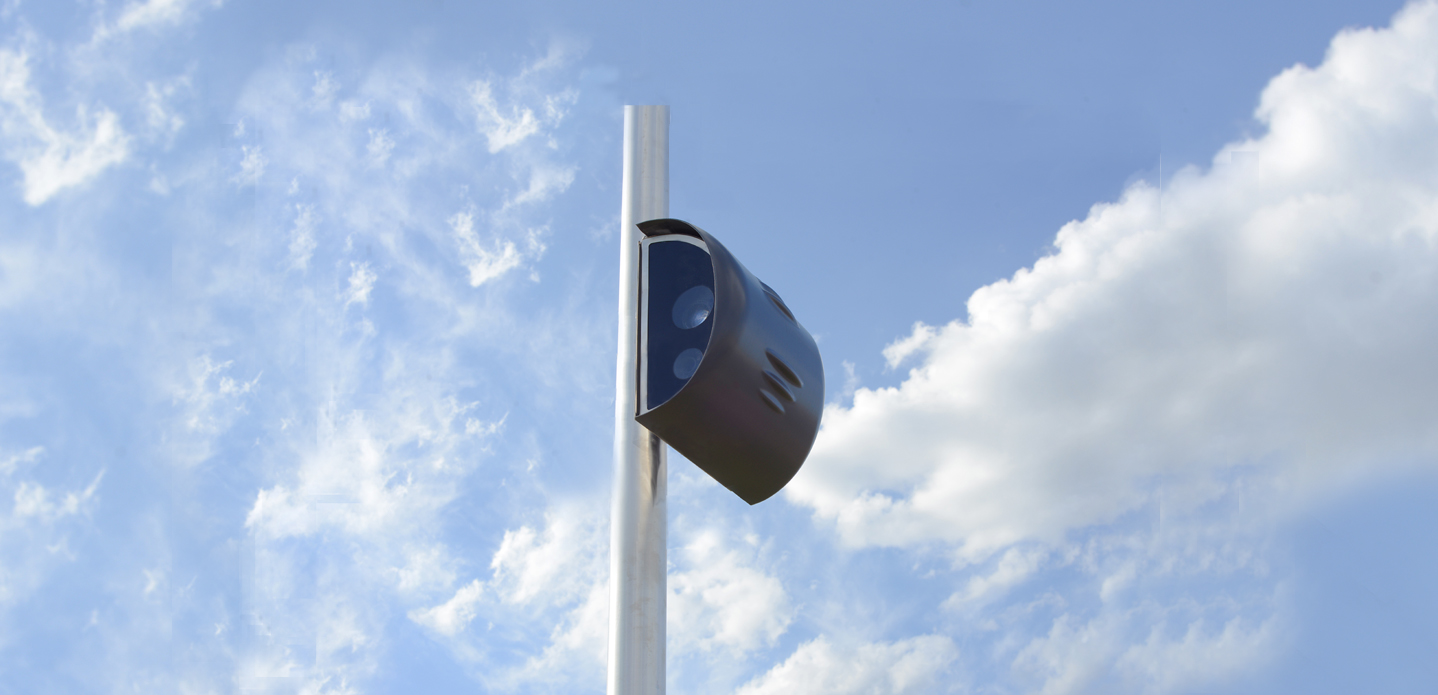
The 10 cameras were installed across eight school zones, including Greenwich High School, Central Middle School, Glenville School and Parkway School, according to the town's speed camera page. Tickets ran $50 for a first violation and $75 for each subsequent one, plus a $5.90 online "convenience fee."
By mid-December 2025, the program had generated more than 12,000 warnings and nearly 2,300 citations. In January 2026 alone, more than 7,200 citations were issued, according to the lawsuit.
The complaint alleges revenue was deposited into a Greenwich Police Department account rather than directed to the infrastructure and safety uses required by state law. In February 2026, the town's comptroller advised the Board of Estimate and Taxation that the town was legally required to redirect the funds, according to the lawsuit.
Financial reports from Blue Line showed the vendor reported $512,920 owed to itself in January and February 2026, compared with $1,109.10 owed to the town, according to the Greenwich Free Press. The lawsuit also alleges Blue Line held citation revenue in private accounts and deducted fees before remitting anything to Greenwich.
Public pushback and suspension
In March 2026, residents circulated a petition alerting Representative Town Meeting members that no public hearing had been held before the ordinance was adopted. The petition gathered 1,595 verified signatures.
On March 30, a resident filed a Freedom of Information Act request seeking records of the hearing. The town clerk confirmed no such record existed, according to the lawsuit.
The town suspended the cameras April 2 after a resident contacted the Connecticut Office of the State Traffic Administration directly. A subsequent public hearing attempt in May 2026 drew criticism for providing only three days' notice and not publishing the notice in a newspaper.
The lawsuit also alleges Blue Line presented video footage of a child being struck by a school bus to the RTM as though it depicted conditions near camera locations, when it did not. The bus driver was not speeding, had the right of way, and the child was cited for "reckless use of the highway as a pedestrian," according to the complaint.
What's next
No hearing date has been reported.
Greenwich Time reported that town officials did not respond to a request for comment. First Selectman Fred Camillo declined to comment on the lawsuit, according to the Greenwich Free Press. Blue Line Solutions could not be reached, Greenwich Time reported.
The town and Blue Line have refused to refund any revenue collected through the program, according to the lawsuit. As of late August, the town's application to restart the cameras was still under review by the Connecticut Department of Transportation. Camillo told CT Public in July that speeding near the cameras dropped 92 percent during the program's four months of operation.