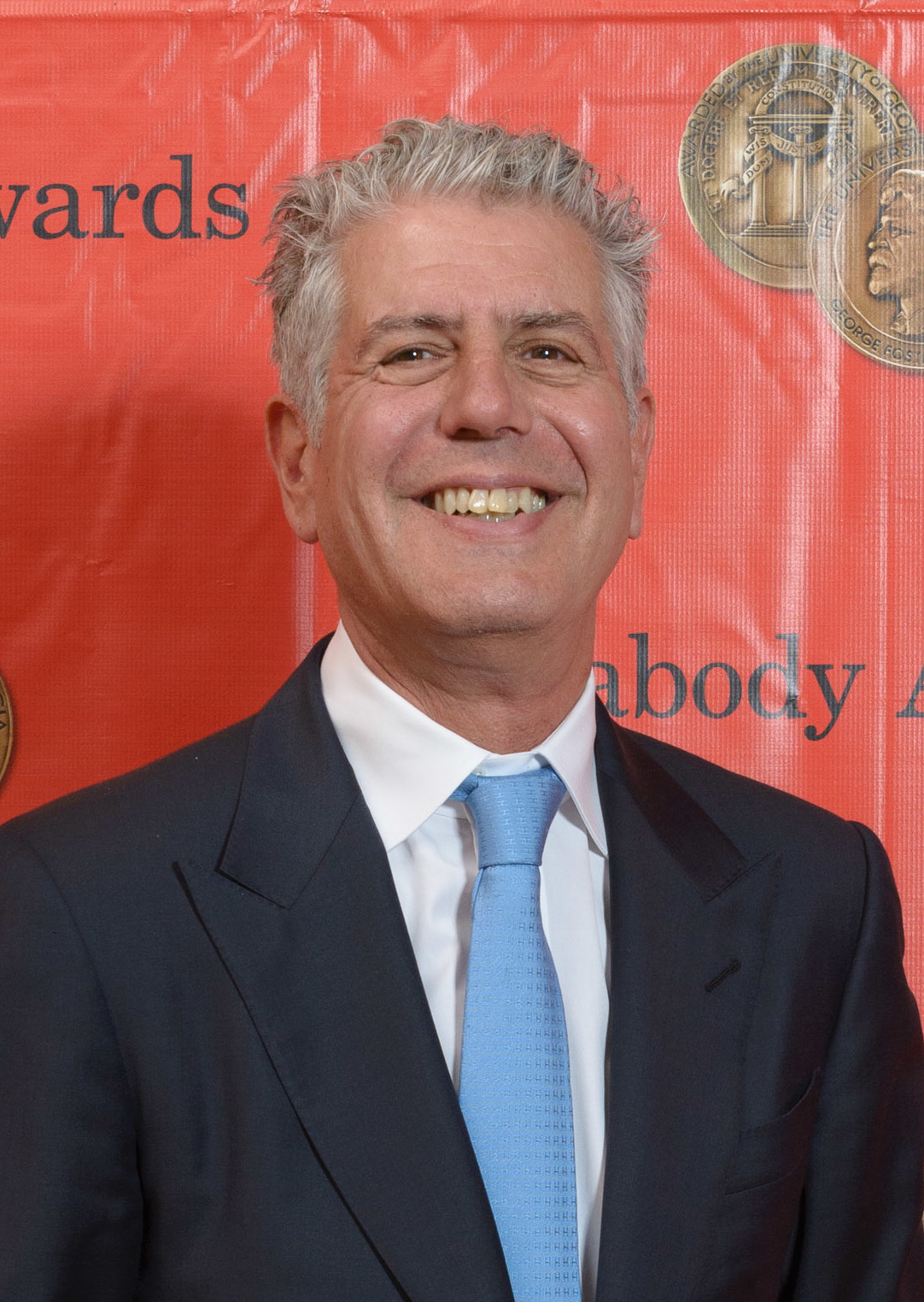

Greenwich State Sen. Ryan Fazio pitched legislative transparency rules and a harder line on the Aquarion water deal as the core of his run for governor.
Fazio, 36, the Republican nominee, laid out the platform in a Greenwich Sentinel interview published Saturday, Sept. 5. He said he has repeatedly proposed requiring any bill longer than 50 pages to be made public at least 24 hours before a vote. The legislature has not adopted the rule.
"There's a rumor in the state capitol … that members of the majority party are told that they shouldn't worry about reading the bills," Fazio said in the interview.
He said the governor's constitutional window of at least two weeks to sign or veto a bill would serve as a public-scrutiny period. If a bill drew enough public opposition during that window, he said, he would veto it to force the legislature to reconsider.
Fazio targets Aquarion deal
Fazio pointed to the 2024 Aquarion restructuring as a case study in what he calls Hartford's transparency problem. He described the deal's substantive language as "over 50 pages long" and released "just hours before" lawmakers voted during a special session.
The Public Utilities Regulatory Authority (PURA) voted 3-0 on March 25 to approve the $2.4 billion sale of Aquarion Water Company to the South Central Connecticut Regional Water Authority, CT Mirror reported. The transaction closed June 30. Aquarion serves roughly 226,000 customers across 59 Connecticut municipalities, including Greenwich.
Fazio argues customers could see water-rate increases of 60 percent or more under the new structure. Utilities' own estimates filed with PURA project annual increases of between 6.5% and 8.35% starting in 2027 and running through 2040, according to CT Mirror. No regulatory finding supports Fazio's specific 60% figure, which appears to reflect a cumulative projection over that period.
Claire Coleman, the state's consumer counsel, also raised concerns at the March 25 PURA hearing. She said the deal failed to lower costs or present a credible plan to protect customers.
Local zoning and 8-30g
Fazio cited a proposed six-story, 176-unit apartment building at 7 and 9 Western Junior Highway in Greenwich as an example of state statute 8-30g overriding local zoning. The application, submitted by Putnam Green Holding LLC, would replace four three-story buildings containing 66 units. The statute gives qualifying affordable-housing developments leverage over local zoning in towns that have not met a 10% affordable-housing threshold.
Local control has been a consistent theme for Fazio. At a bipartisan press conference at Greenwich Town Hall on July 24, he said the state could expand affordable housing and respect local control at the same time but needed "a real change in direction and policy," as the Greenwich Sentinel reported.
The broader pitch
Fazio won the Republican nomination with 92% of delegate votes at the May 16 state convention and has qualified for $18.1 million in public financing under Connecticut's Citizens' Election Program, CT Mirror reported.
He predicts the legislature will remain Democratic after the Nov. 3 election but fall short of a veto-proof supermajority, which he said would force bipartisan negotiation.
The Greenwich Sentinel noted it is preparing a similar interview with Gov. Ned Lamont, expected after Labor Day. No Lamont response to Fazio's specific proposals has been published.
The general election is Nov. 3.